
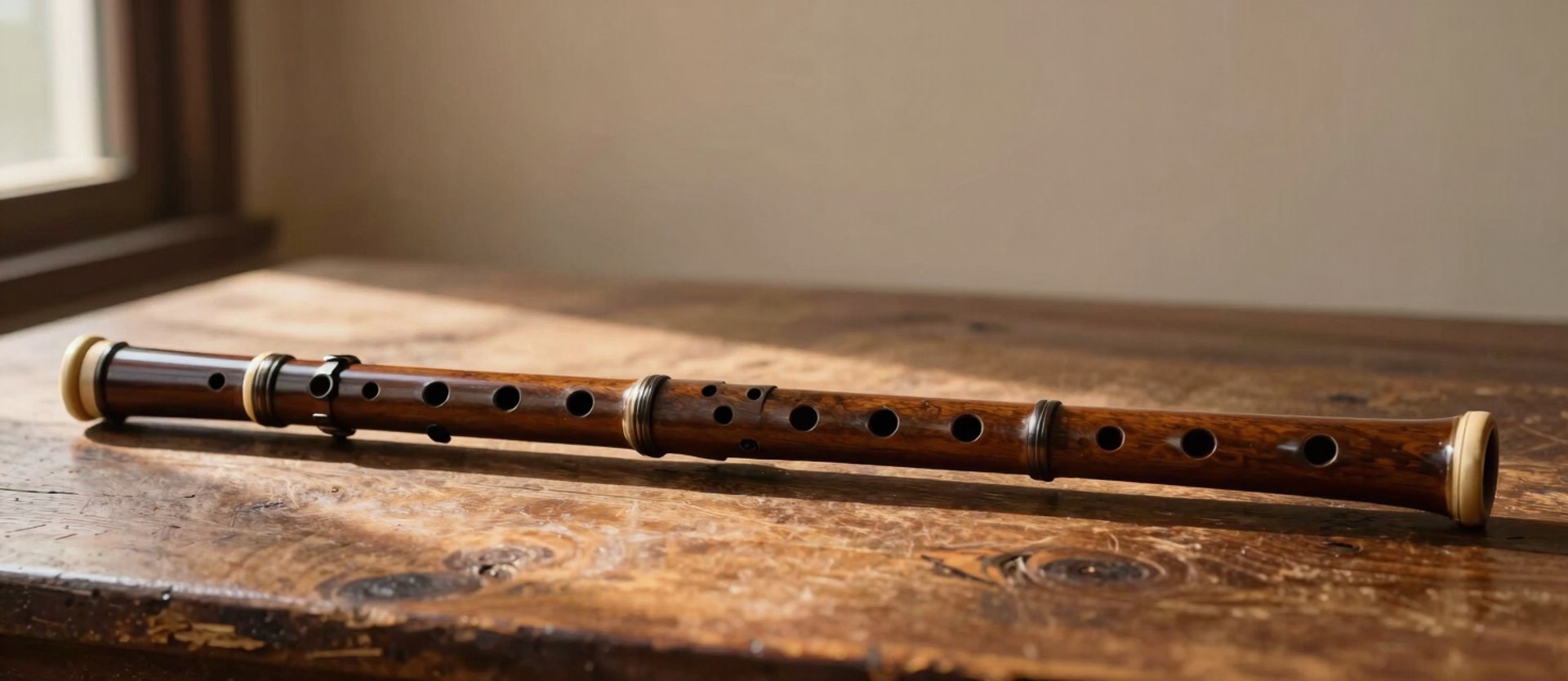
— Kurdish & Anatolian lineage
The Kaval — a voice with no equivalent
Rim-blown, wood-bored, and built for modes that predate Western notation. The Kaval carries a tonal world the orchestra cannot replicate.
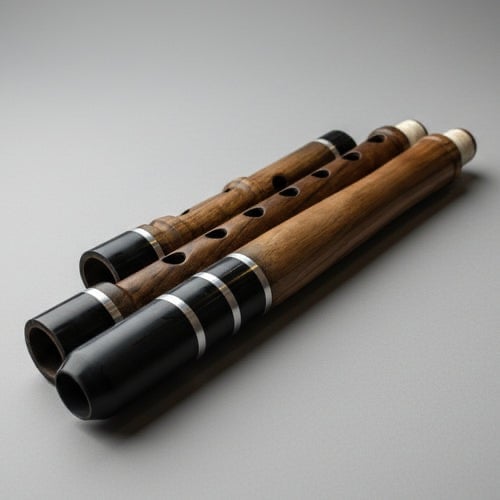
Construction inseparable from sound
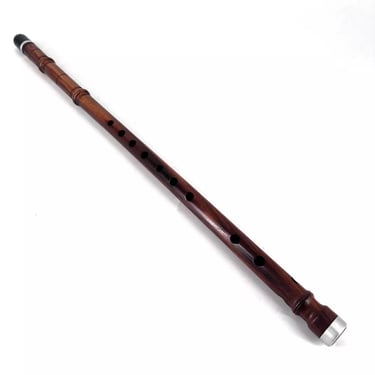
The Kaval is mainly carved from a single length of wood in Kurdish Anatolia — plum, apricot, cherry, or cornelian — with a cylindrical bore that determines its pitch register and its characteristic breath-tone ratio. In the Balkans the instrument carved out of two or three pieces of wood, which is assembled together.
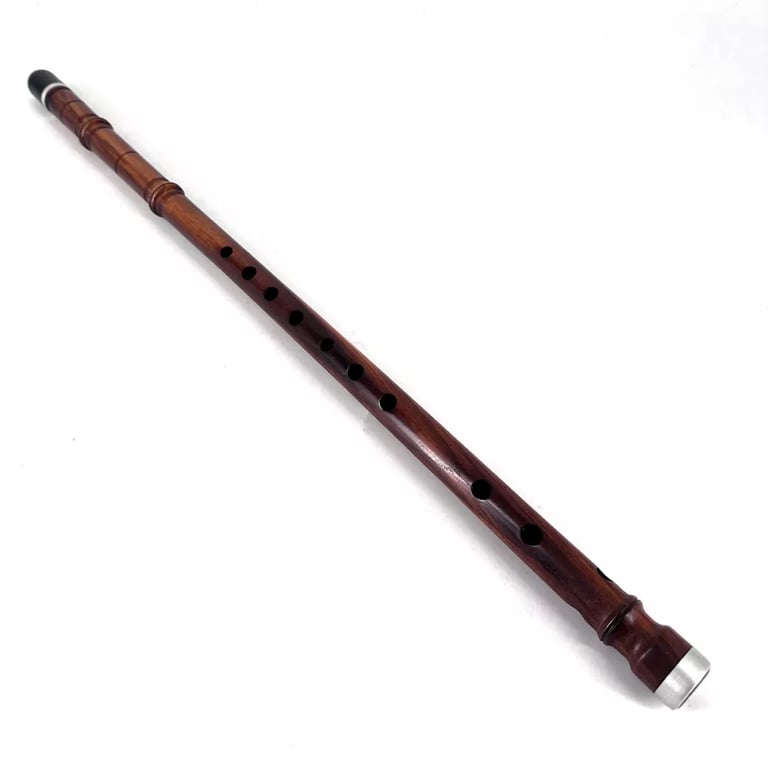
Seven front holes and one rear thumb hole govern not just pitch but the instrument's entire microtonal vocabulary. The player's embouchure angle, not a reed or key mechanism, shapes every interval.
Length variants — treble, alto, and bass — each carry a distinct modal character. The instrument is not transposed; it is rebuilt for the mode it was made to speak.
Microtones the Western scale cannot name
The Kaval operates across maqam modes — Hicaz, Rast, Uşşak — whose intervals fall between the semitones of equal temperament. These are not approximations; they are the precise pitches the music demands.
Its upper register, reached through overblowing, produces a reedy, penetrating tone distinct from any orchestral flute. The lower register carries a hushed, breathy gravity that sits below ordinary melody.
A language learned, not borrowed
Metin plays the Kaval as a fluent first language — trained through years of direct apprenticeship under Ustad Sinan Celik and Osman Aktas, Turkey's foremost tradition-bearers. The instrument's modes and ornaments are not stylistic choices; they are the grammar he learned before any other.